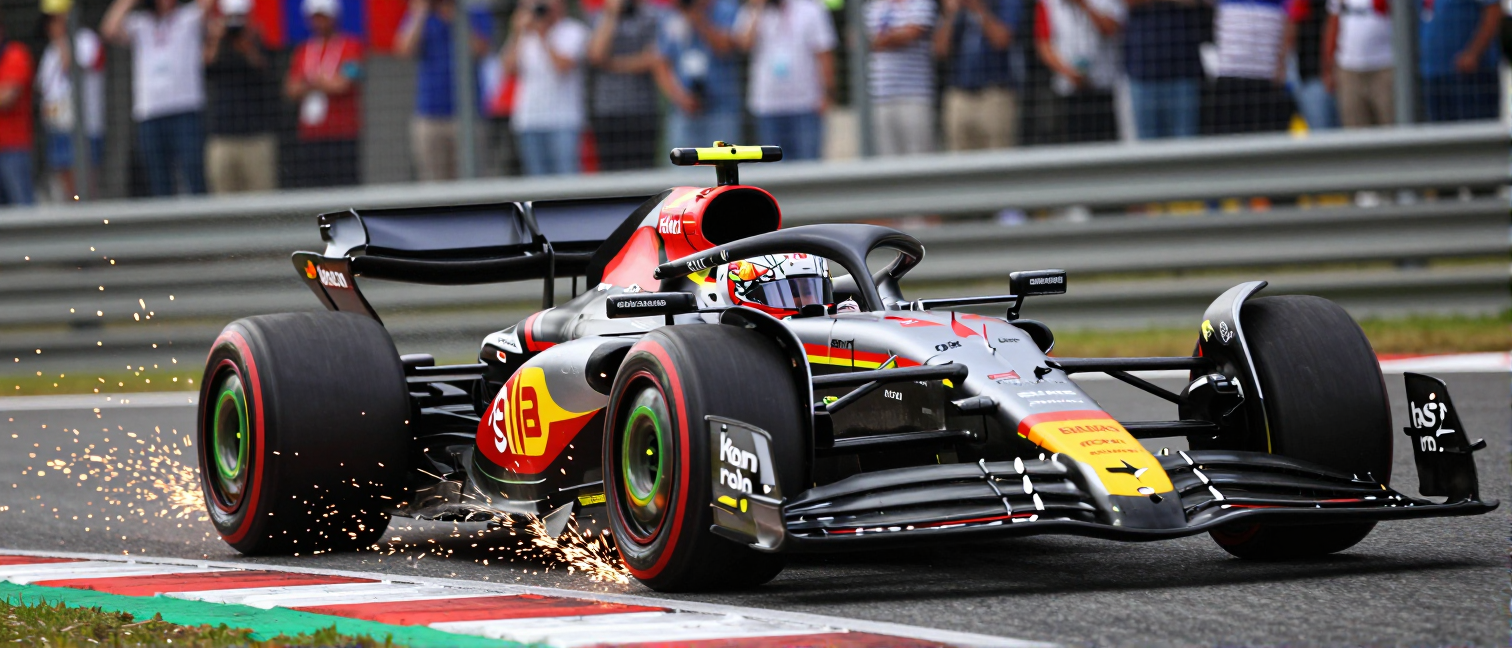
Fernando Alonso blasted the 2026 Belgian Grand Prix’s new energy‑saving tactic on 27 July, saying it delivered “less power than F2” and could force teams to rethink their race‑day approach. The two‑time world champion’s comments came after the opening lap showed noticeably reduced straight‑line speeds, prompting a heated debate among engineers and drivers.
What did Alonso say?
Alonso told reporters at the Spa‑Francorchamps paddock that the mandatory reduction in ERS output felt “like driving a junior formula car”. He argued the rule, intended to curb fuel consumption, stripped the cars of the extra boost that usually defines overtaking opportunities. "We’re not racing the same machine," he added, pointing to the slower lap times recorded in the first sector.
Why the tactic matters for the championship
The energy limit, introduced by the FIA to promote sustainability, caps the total amount of hybrid power each car can use per lap. For a driver like Alonso, who relies on precise timing of the ERS to defend or attack, the restriction could erase his strategic edge. Teams will now have to balance tyre wear against the reduced boost, a trade‑off that could shuffle the midfield order as the season progresses.
How rivals responded
Red Bull’s Max Verstappen shrugged off the criticism, noting that “all teams face the same rule, we’ll adapt.” Mercedes’ Lewis Hamilton, however, echoed Alonso’s concerns, saying the rule “takes away a part of the spectacle”. The differing viewpoints highlight a split between drivers who see the change as a technical challenge and those who view it as a dilution of pure speed.
What’s next for the teams?
Technical directors from Ferrari and McLaren have already hinted at software updates aimed at extracting maximum efficiency from the limited ERS budget. If they succeed, the gap between the front‑runners and the rest of the field could widen again, despite the FIA’s intention to level the playing field. The next race in Monza will be the first real test of these adaptations.
How fans are reacting
Social media buzz shows a divided fanbase. Some praise the environmental push, while others share clips of the slower opening laps, captioned with Alonso’s “less power than F2” line. Ticket sales for the upcoming Dutch Grand Prix have spiked, suggesting the controversy may actually boost viewership.
The debate sparked by Alonso’s remarks is set to shape strategy meetings in the weeks ahead. Engineers will pore over telemetry, looking for any loophole that can restore the lost horsepower without breaching the new limits. As the season unfolds, the balance between sustainability and spectacle hangs in the balance.